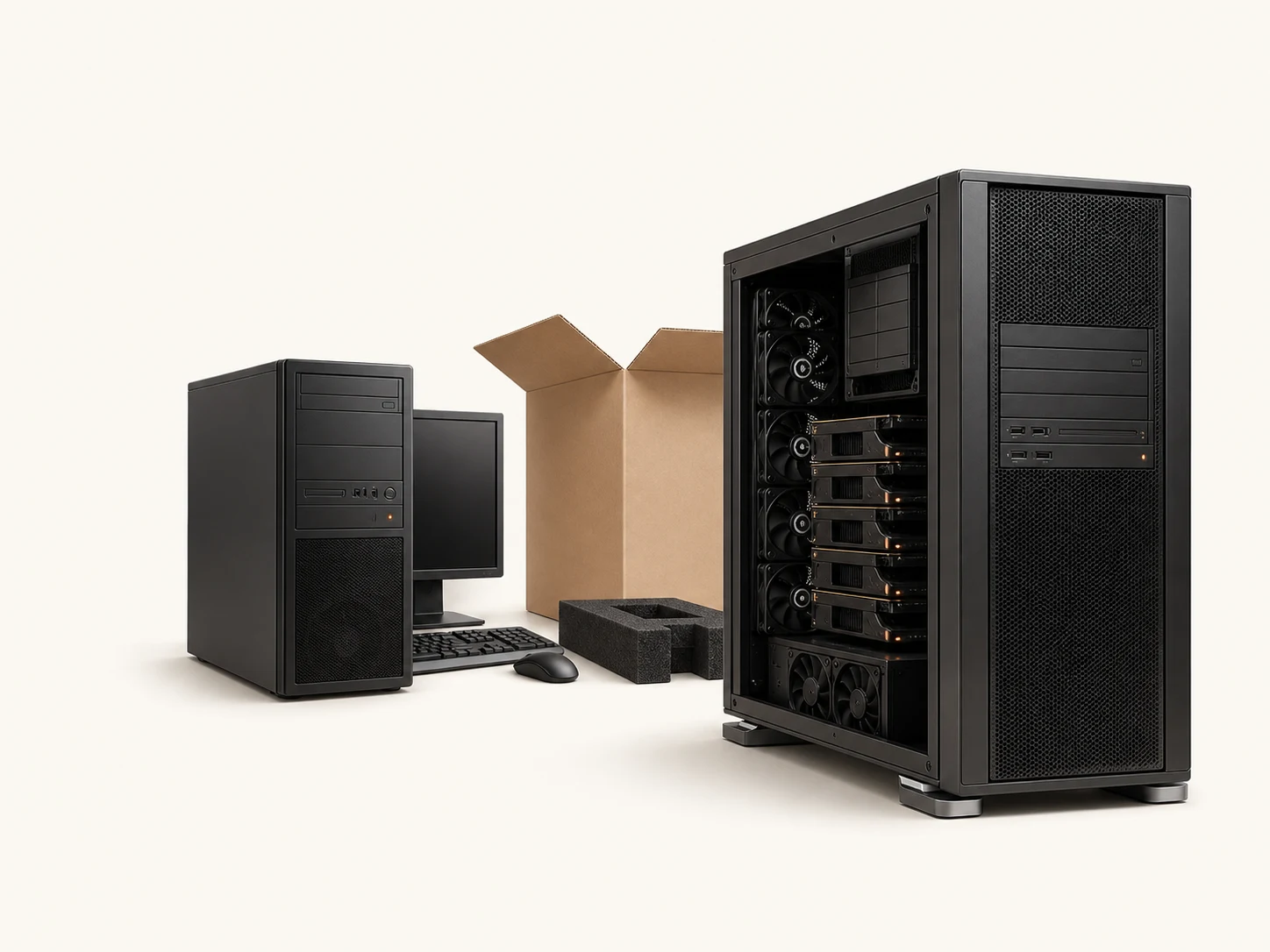
New high-performance hardware>$ 100KAdditional cost
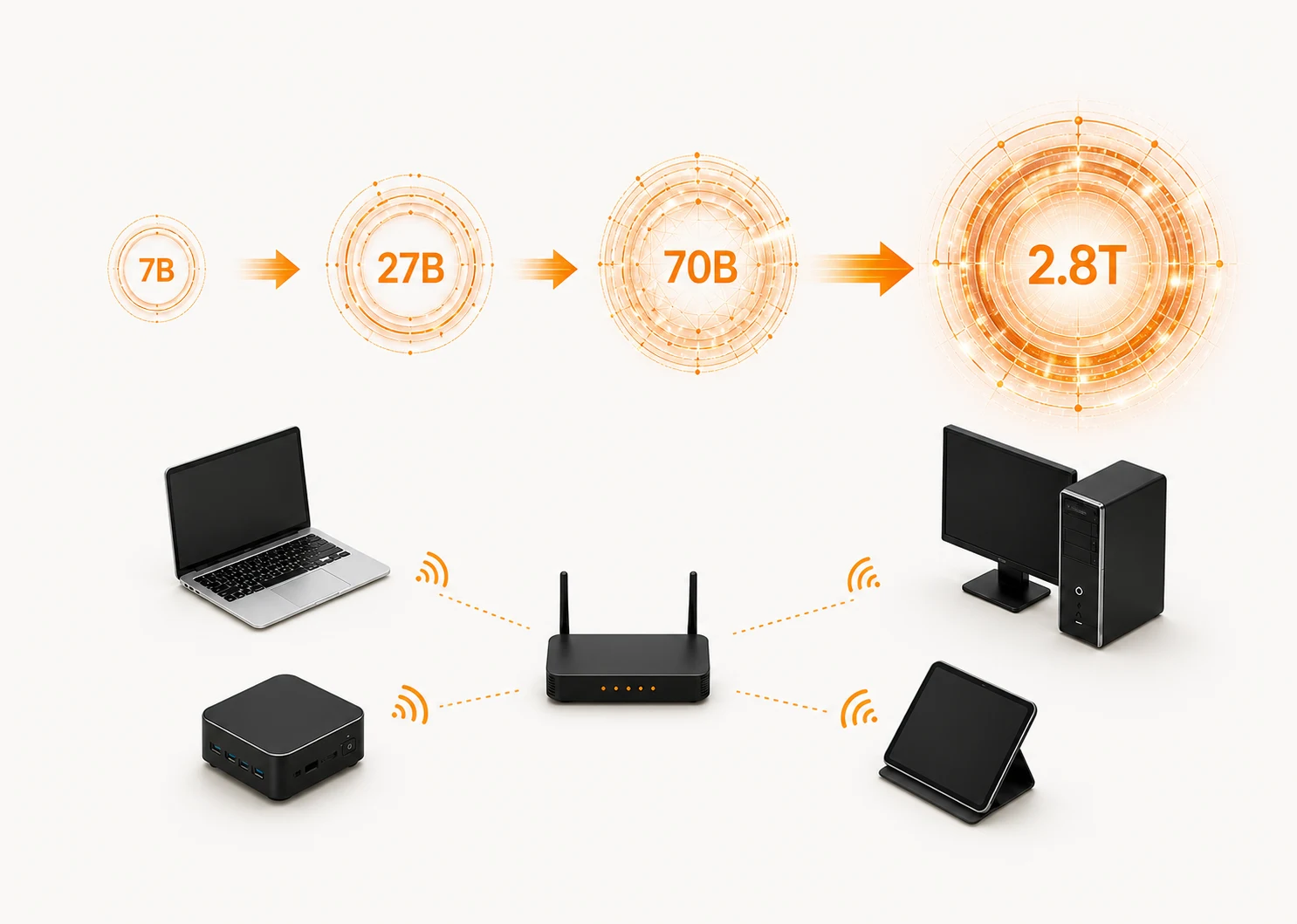
Connect consumer hardware you have already paid for into one distributed inference runtime.
Zero or lowest new hardware cost
No need to buy a higher-performance workstation. Pool the heterogeneous devices you already own—laptops, desktops, tablets, Mac Minis, and devices of different operating systems.
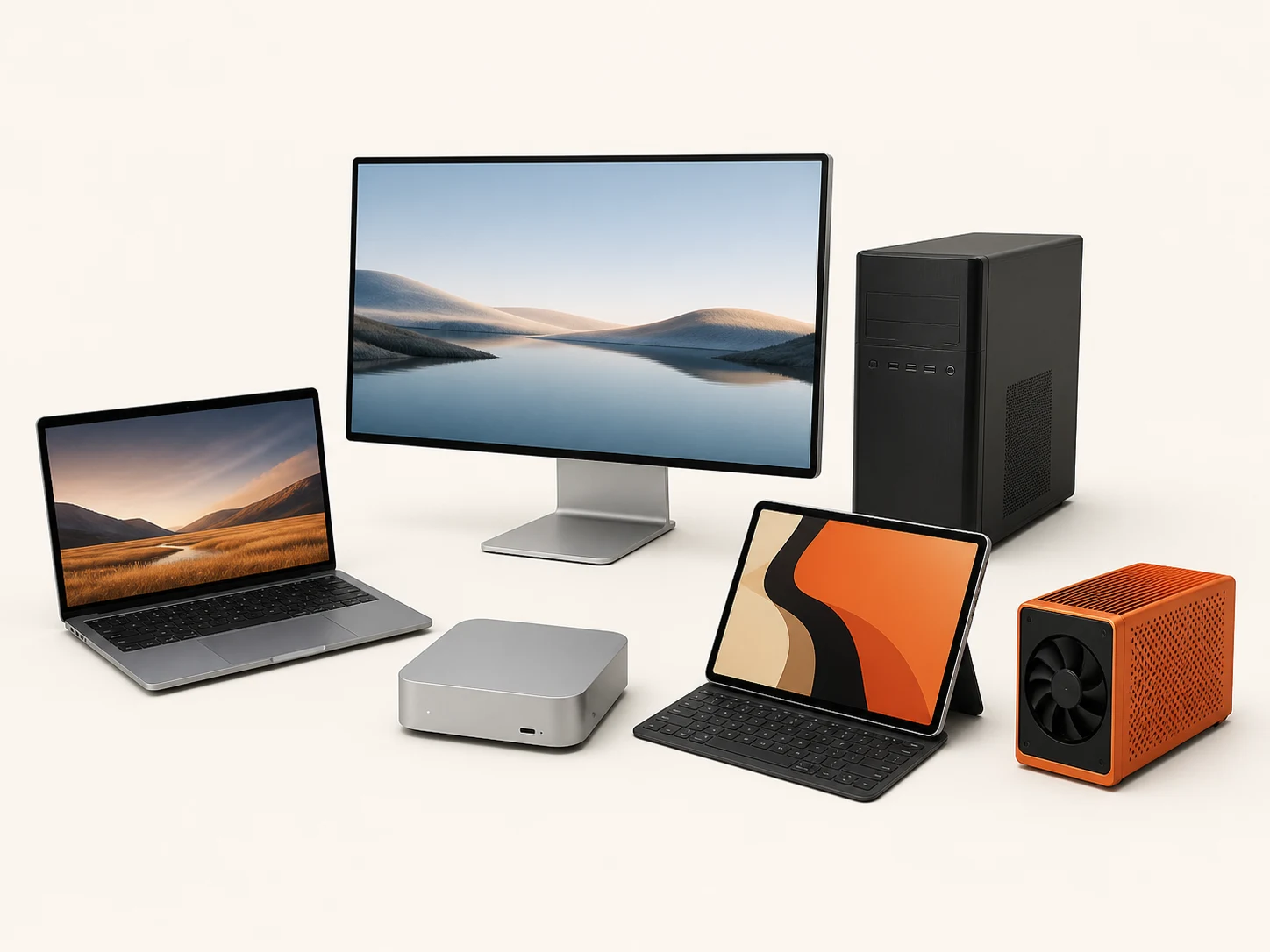
Scale what matters
Bring more of your existing hardware together to expand what local AI can do—without pretending one device becomes something it is not.
Application cases

Pool the hardware around your home into one private inference service.
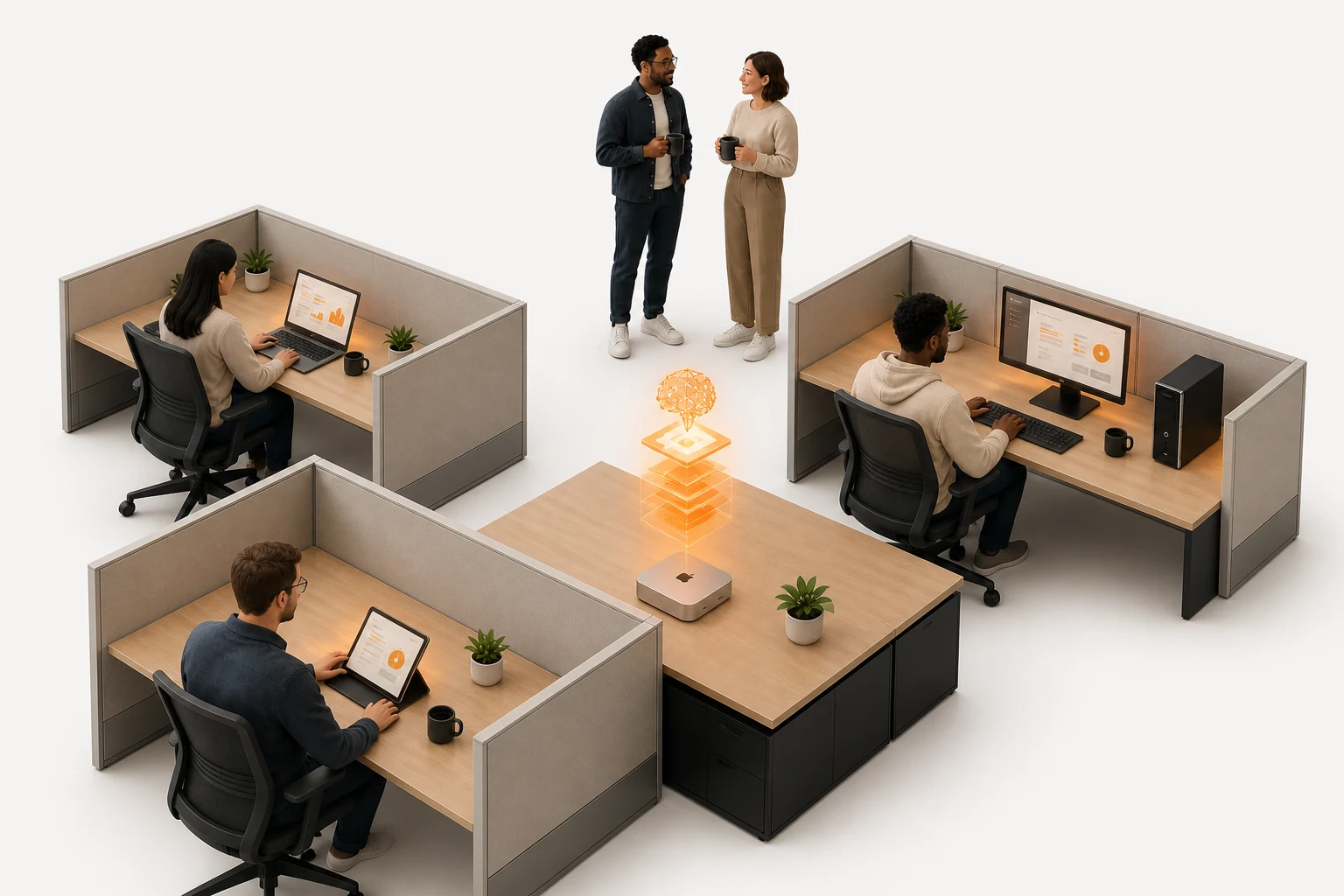
Turn existing office devices into a useful local AI pool for everyday work.
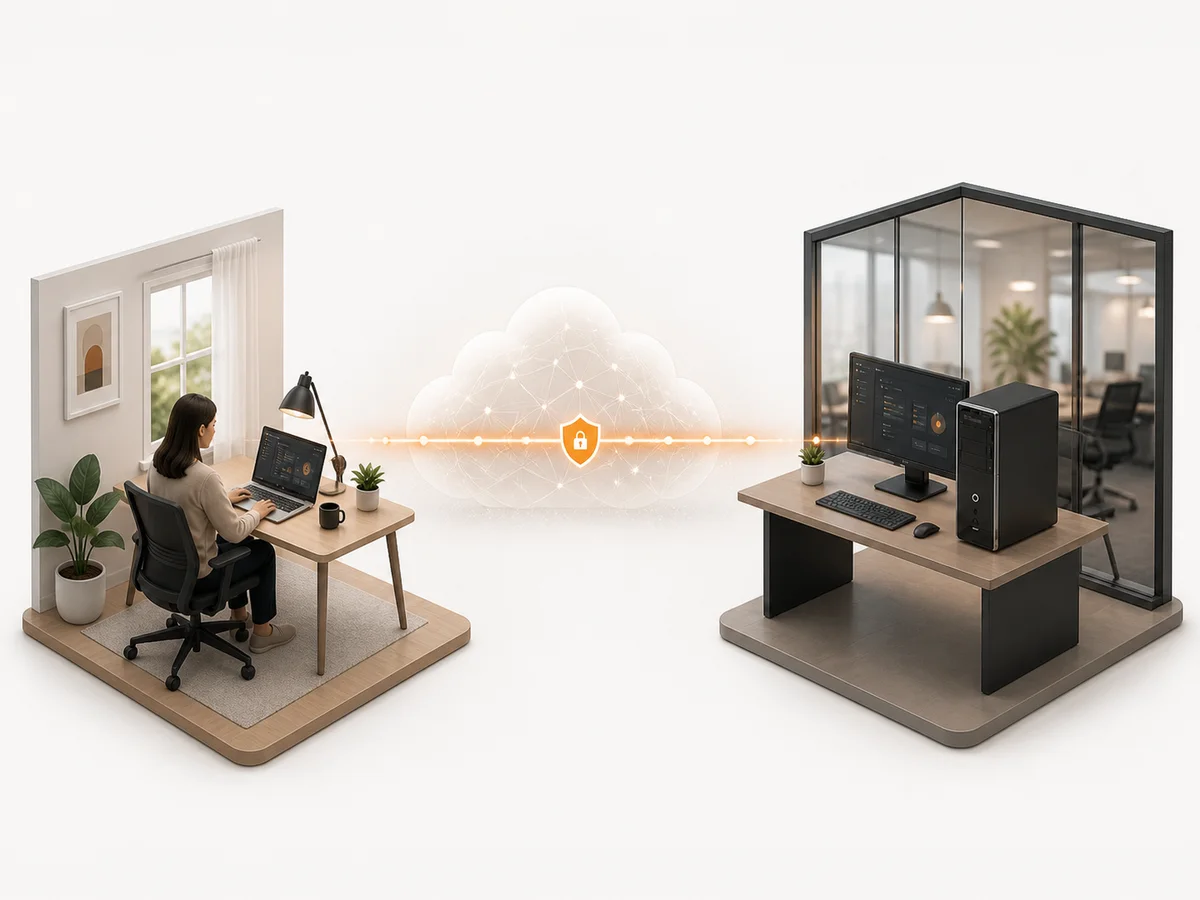
Pool devices across remote LANs and strengthen the local AI you use here.
Flexible by design
PRIMA manages devices as they join and leave, without imposing a specific device or network setup.
When a device comes online, PRIMA discovers it and adds it to the inference pool—no complex configuration required.
When a device goes offline, PRIMA detects its departure and heals the inference pool automatically.
PRIMA has no specific hardware or network requirement. Mix heterogeneous devices across wired LAN, Wi-Fi, or secure cross-LAN connections—including different device types, operating systems, chips, memory, GPUs, and storage.
Prima Lab · Blog
Local AI does not always need another monolithic machine. Sometimes the more practical path is to treat the hardware around you as one adaptable pool.
Local AI often begins with a shopping list: more VRAM, a larger power supply, and a workstation built around the biggest model you hope to run. That approach can be fast, but it also leaves capable laptops, desktops, mini PCs, and tablets sitting outside the system.
A single workstation is easy to reason about because every resource sits behind one operating system. Its limits are equally clear. Once the model, context, or precision outgrows that box, the usual answer is to replace it with a more expensive one.
A useful local AI system does not have to be the fastest possible system.
Distributed inference changes the unit of planning from one machine to a collection of machines. A laptop can contribute a GPU, a desktop can contribute memory and compute, and devices on another LAN can remain part of the same testbed.
The important question becomes less binary: not “Can this device run the model?” but “What useful capacity can this device add to the pool?”
A pooled system may not beat a purpose-built server on every latency metric. It can still unlock a larger model, longer context, better precision, or enough throughput for a private workflow—without discarding hardware that has already been purchased.
That tradeoff is the point: local AI should be able to grow incrementally, across the devices and networks people actually have.
Turn mixed CPU and CUDA machines into a single inference service.
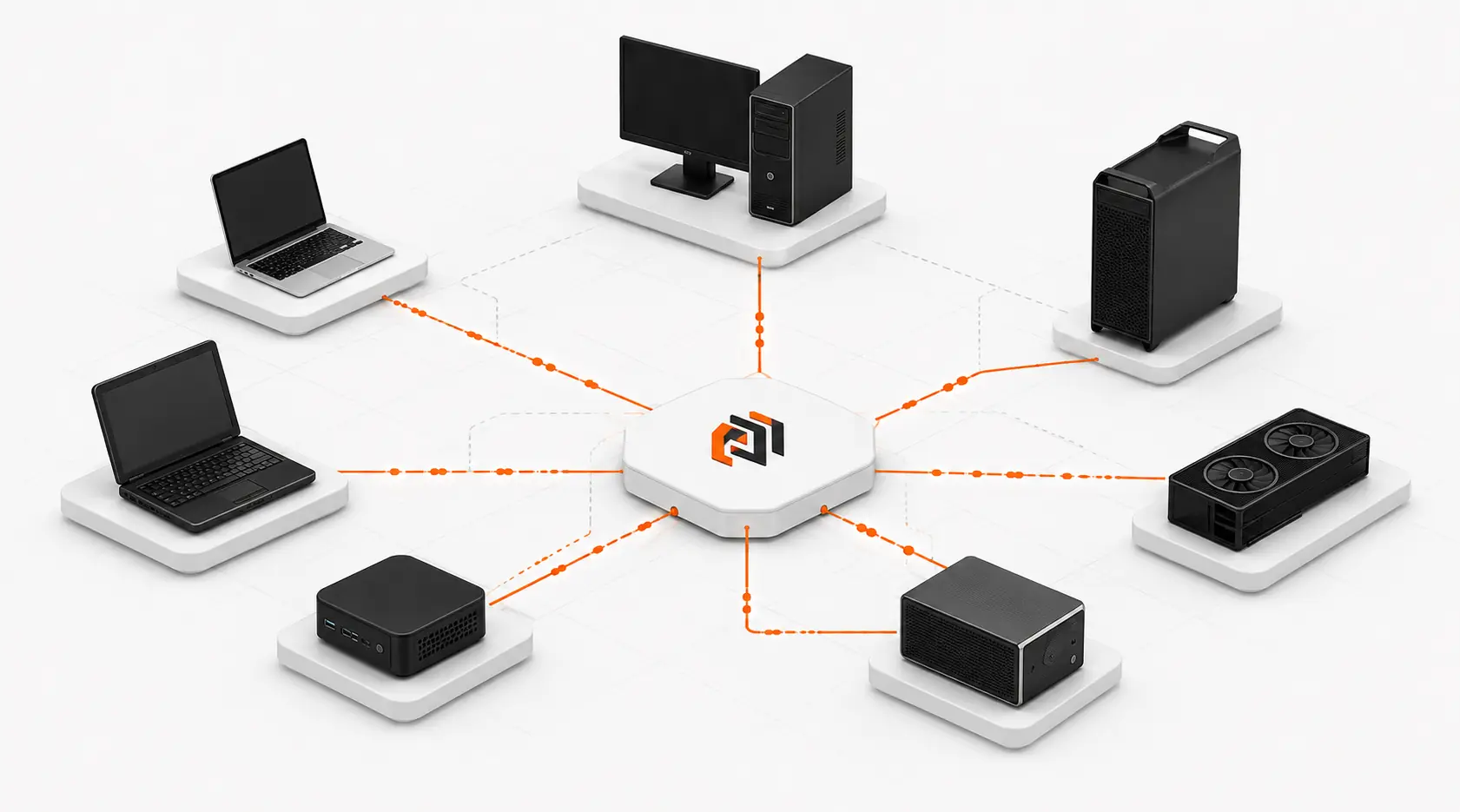
Serve apps and agents from infrastructure you control, near the work and the data.
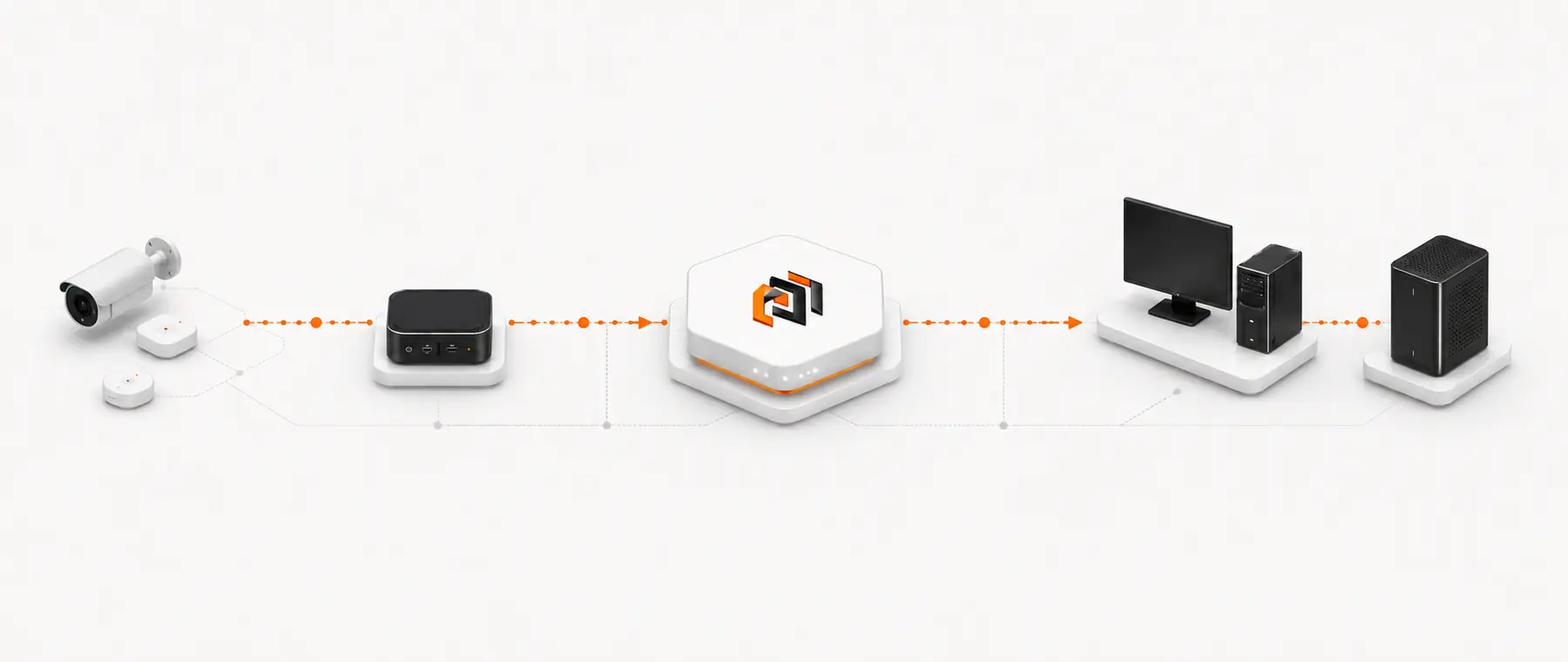
Tokens move across assigned CPU and GPU resources. Membership changes are applied between requests.
Explain how transformers work.
Coordinate inference over operator-provided reachable networks while execution stays on operator-controlled devices.
Build from compatible hardware that has already been purchased.
Laptops, desktops, mini PCs and consumer GPUs become useful capacity.
Prompts and model execution stay on infrastructure you control.
Eligible devices can join, leave and recover at controlled boundaries.
Evidence you can inspect
Additional large-model and MoE evaluations are underway. Results will be published with reproducible artifacts when they are ready.
Published results depend on the cited model, quantization, hardware, networking and workload; they are not universal performance claims.
Start with Prima.cpp
Open source. Self-hosted. Built for heterogeneous hardware.